

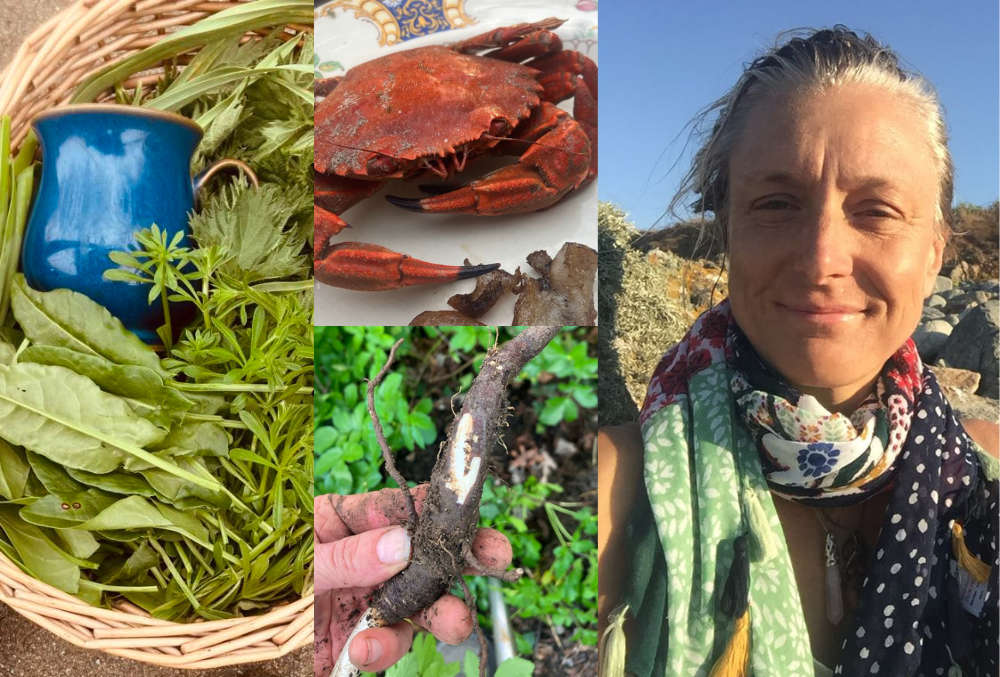
Tara de Jersey is one of 110 people across the UK taking part in 'a radical citizen science research project'.
The Wild Biome Project is investigating how a natural foraging diet affects modern-day humans.
Samples from a patient, including blood test and a strand of hair, will be evaluated after one or three months of the diet.
Guernsey woman Tara de Jersey has signed up for 30 days but hopes to continue eating locally sourced foods for longer.
So far, she has had hazelnut milk, dandelion-root coffee, chestnut flour biscuits, fruit juice (made from crab apples and sloes), mackerel and honey.
Tara says although some days she has struggled to prepare enough food, she has enjoyed the challenge so far.
"It makes me feel alive.
"My curiosity is around resilience. You know like when the boat doesn't come in and there’s no food here.
"But it goes beyond that, it really helps me feel resourceful and super connected to the seasons and the habitat around me."
She says she has been inspired by some old family recipes.
"My grandfather, Gordon Gaudion, would forage for carrageenan seaweed during the Occupation.
"He would go down to the beaches despite the risk of being shot at, collect it, dry on the roof, and then make pudding from it.
"He actually introduced me to wild food when I was a child. We would collect winkles, and we would eat them.
"My great great father always has limpets on the go, whenever he was ill, he would boil them up.
"And I've just been ormering with my son - so it runs in the family."
 Inflation in Guernsey increases to 4.6%
 Safety assessment at Guernsey's recycling centre
 Storm disruption affects Guernsey travel into the weekend
 Winter Fuel Allowance ready to roll in Guernsey
 Guernsey "largely unscathed" by Storm Austen
 Commodore Clipper breaks mooring ropes in Storm Austen
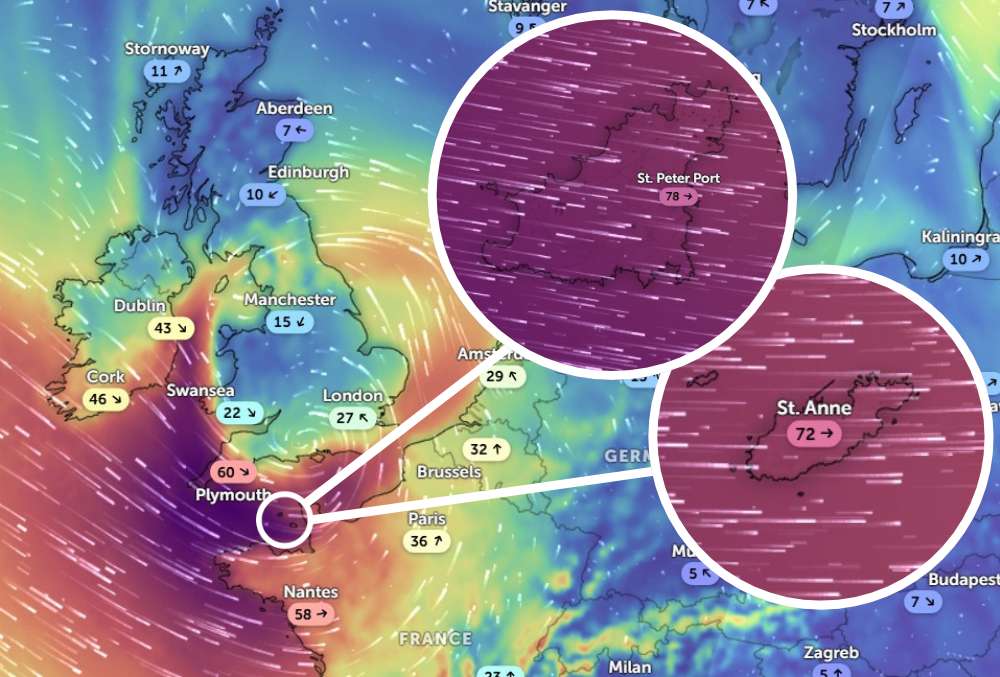 70 mph winds batter Guernsey
 Haut Du Mont: Jury fails to reach verdict on third gas worker