


Jersey Water says bills will increase by 6.9% from the start of 2027, to 'support the investment in the island's water supply infrastructure'.
The average annual household bill will increase by £30.60 next year.
That equates to £2.55 per month and 8p per day.
It follows a 15.5% hike this year, a 5.7% rise in 2025, a 10.9% increase in 2024, and a 6% rise in 2023.
This is the second year of a five-year plan to address future water shortages and protect the island's supply.
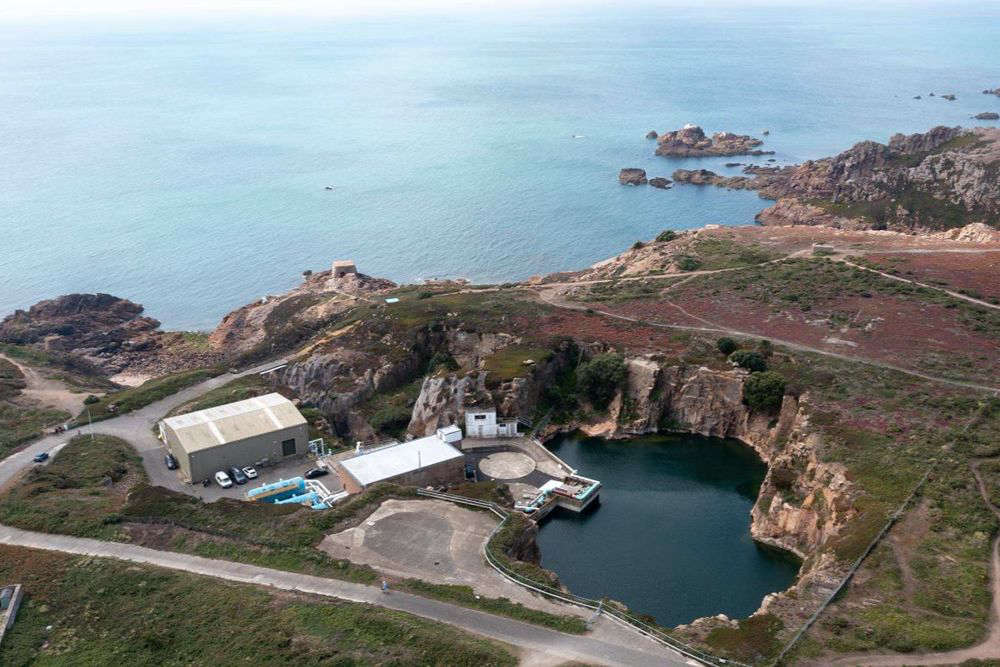
The utility company says a priority for 2027 is to start a significant upgrade to Jersey's desalination plant, representing the biggest investment in water resources since Queen's Valley Reservoir was commissioned more than 35 years ago.
The £26 million upgrade will increase the plant's output by up to 50%, to strengthen Jersey's ability to maintain water supplies during prolonged periods of low rainfall and drought.
 Picture Credit: Max Burnett
There's concern over changing weather patterns, with hotter and drier weather placing more pressure on water resources and increasing the risk of water shortages in the years ahead.
Helier Smith, Chief Executive Officer for Jersey Water, said:
"Safe, reliable water is something every household and business depends on every day. Recent summers have demonstrated how much pressure prolonged dry weather can place on the Island’s water resources, and climate change means we expect these challenges to become more frequent in the future.
"We are very aware that any increase in household bills comes at a difficult time for many customers, and we remain committed to providing support and assistance to those who need it.
"We have worked hard to keep customers’ bills as low as possible, while balancing the need to make essential investments that will help ensure Jersey has a resilient and secure water supply for the future.
"We have a responsibility to plan ahead. The upgrade of our desalination plant will be the biggest investment in the Island’s water infrastructure for a generation and will play a vital role in helping us maintain supplies during drought conditions.
"When we published our 2030 strategy last year, we were clear that increases in water charges would be necessary to support the investment required to secure Jersey’s long-term water supply.
"The increase will enable us to deliver that investment, strengthening the Island's resilience and helping to ensure a safe, reliable water supply for generations to come."
The company has also allocated £2 million to undertake trials into PFAS treatment options.
Mr Smith added:
"We currently have trials live at both treatment works to look at the effectiveness of different treatment options to remove PFAS from drinking water from the already trace-levels there to even lower levels, bearing in mind the water supply at the moment is perfectly safe. These are precautionary investigations.
"We'll be looking to complete these pilot trials towards the end of 2027. We need a full 12 months of operation to see how they perform over the course of different seasons and then reporting on the results of those trials by the end of that year.
"We'll be issuing an interim update in November or December this year with our water quality report."
 Carer avoids jail for historic sex offences against child
 Haut du Mont trial: Island Energy ‘wouldn’t spend the money’ on vital safety training, court hears
 Pair convicted after attack outside Jersey Islamic Centre
 Tributes paid to 'charismatic' Nettie following her death
 Direct flights to Sardinia next summer
 Injured motorcyclist transferred to Southampton
 Whistleblowing law on hold
 Pharmacists get access to patient medicine records




Comments
Add a comment