

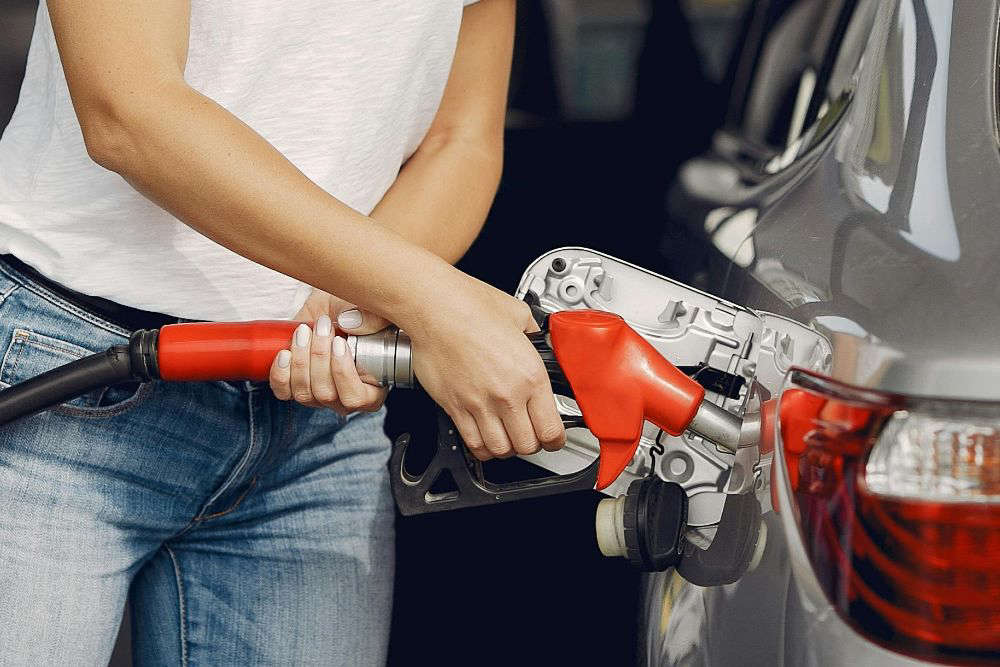
Jersey's government wants islanders' input on the plans to phase out petrol and diesel cars.
A public consultation has opened, asking islanders for help on the finer details of a plan to phase out petrol and diesel cars in Jersey.
It's expected to start in 2030 and take at least 20 years.
The proposals would prevent the importation and registration of all new to the island fossil fuel cars and small vans.
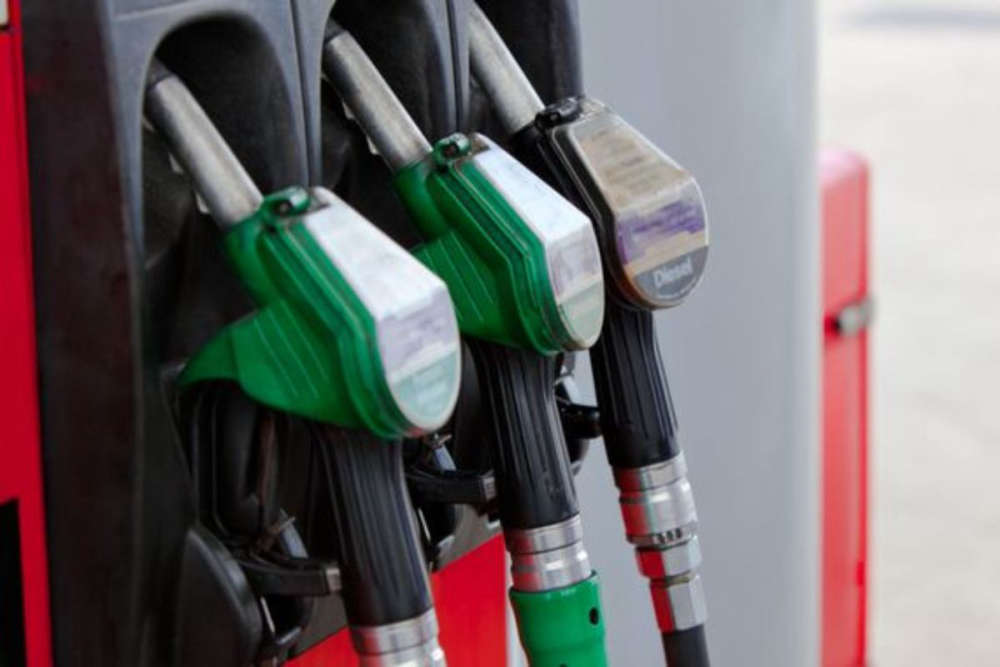
The Environment Minister says drivers with existing petrol or diesel vehicles won't be impacted and both fuels will continue to be available at forecourts:
“I’d like to emphasise that nobody will need to surrender or scrap their vehicle. We want people to use their existing vehicles until the end of their useful lives, before sustainably replacing them with a zero or low emission alternative.
“I appreciate that there are concerns about end-of-life electric vehicles and batteries and how these will be disposed of. Work is ongoing to ensure Jersey motorists can easily access disposal and recycling facilities as part of producer responsibility for these items.
"This is a really significant but necessary change for Jersey. We would like to hear from Islanders to help shape the final details of the petrol and diesel phase-out in a way that is right for Jersey, including appropriate exemptions where these may be needed."
The phase-out is part of a commitment to reduce Jersey’s carbon emissions to net zero by 2050, as part of the agreed Carbon Neutral Roadmap.
Currently, 27% of the island’s emissions come from road transport, almost all of which is generated by cars.
Islanders can contribute here.
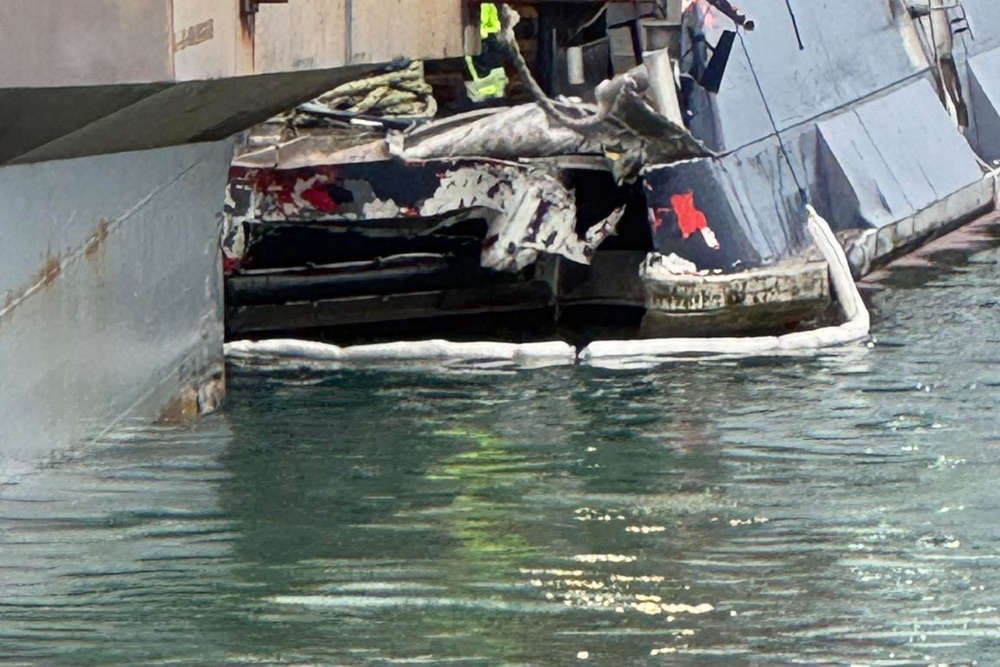 Ferry hits berth in St Helier harbour
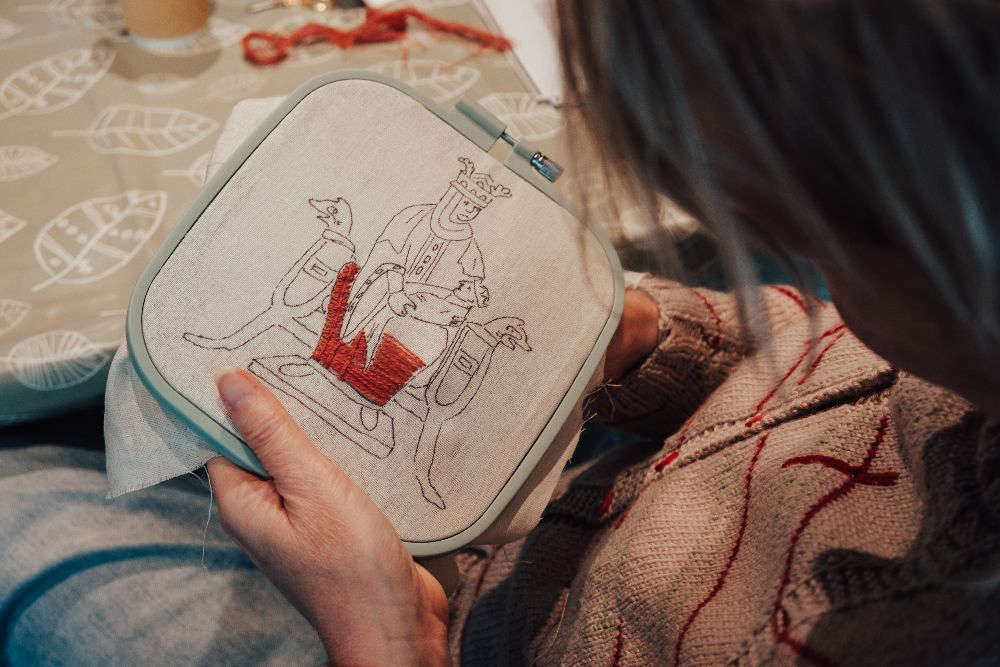 Help stitch a Jersey Bayeux tapesty
 Fire at former Jersey hotel
 One year of DFDS' Jersey contract
 Prosecution for 'Jersey Lifts' drivers agreed by politicians
 States back measures to protect cash use in Jersey
 New interactive map charts shipwrecks and dolphin activity
 Survey reveals scale of dissatisfaction with off-island travel