

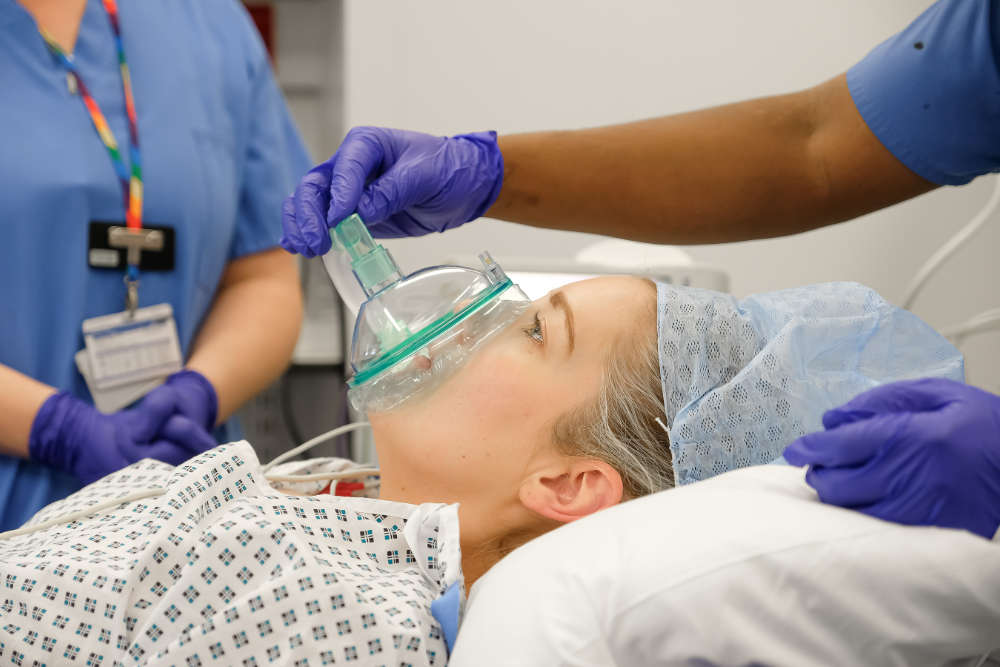
The Princess Elizabeth Hospital will no longer administer piped nitrous oxide during surgeries in its theatres, in an effort to reduce greenhouse gases.
The gas is one of the largest contributors to global warming from anaesthesia administration.
The emissions from nitrous oxide in one year is said to be the equivalent of a million car miles.
Consultant anaesthetist Dr Graham Beck says there are more environmentally-friendly alternatives.
"This is the second major change to reduce our environmental impact, after Desflurane was removed last year.
"Anaesthetic practice has evolved and improved over recent years to rely on more modern volatile anaesthetics, intravenous anaesthetic techniques and regional (local) anaesthetic administration which improve patient care as well as reducing harm to the planet."
Dr Beck adds that more measures to reduce the hospital's emissions will be taken in the future.
"Studies have shown that because we now use so little nitrous oxide the wastage in pipeline systems means less than 10% of the gas is used by patients and 90% is wasted.
"We can still use nitrous oxide directly from cylinders if we want to but our total use will be greatly reduced by not having the pipeline.
"I am delighted that this major change has been successfully completed and am committed to introduce further reductions in our environmental impact over the coming years."
Nitrous oxide has not been banned for medical use and there is no legal requirement to decommission the pipeline.
 Guernsey Airport to stay open later as part of Aurigny's profitability plans
 States to vote on independence for The Ladies' College
 Guernsey Budget 2027: £15m growth fund and fuel duty hikes
 Donations in memory of Hannah Benfield to Alderney rescue groups
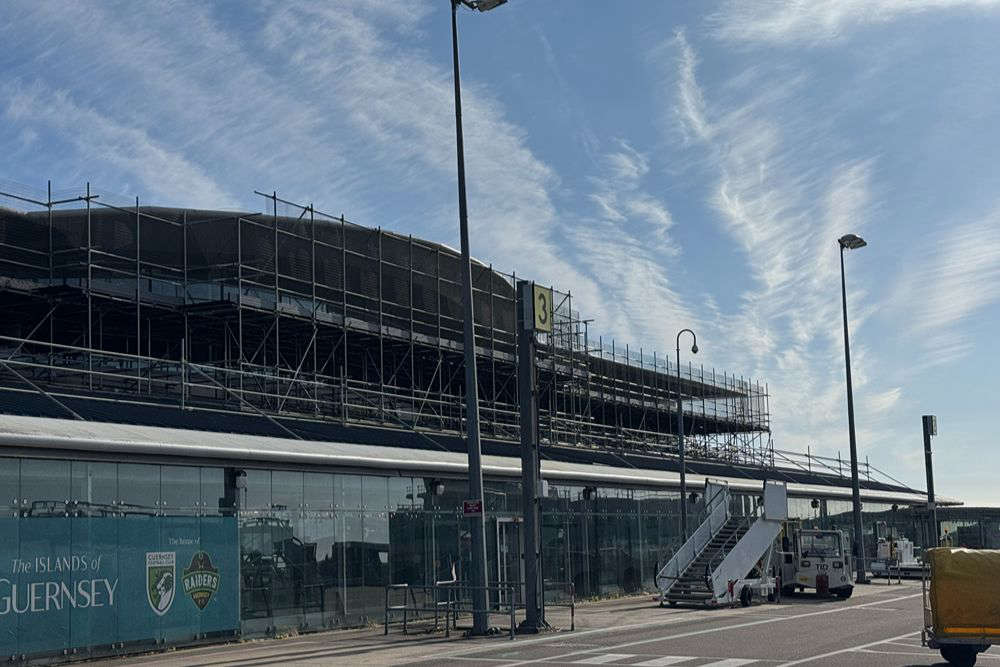 Deputies asked to approve £6m Guernsey Airport roof repairs
 Majority of Guernsey stamps bought by collectors
 Alex Scott withdraws from England squad
 GST backlash prompts call for calm from Guernsey deputy