

The Future of Green Transport Comes to Jersey
Transport on the island of Jersey is evolving as sustainability becomes a stronger priority across both public services and private industries. With limited space, short travel distances, and a close connection between residents, businesses, and the environment, Jersey is well placed to benefit from cleaner transport solutions.
Among the most visible changes on local roads is the growing presence of electric taxis, which are gradually reshaping expectations around daily travel.
As awareness of environmental impact increases, taxis are becoming a key part of the island’s transition towards lower-emission transport. These vehicles operate throughout the day, cover a wide range of routes, and are connected to community life. Moving this sector towards electric power offers practical benefits that extend beyond environmental goals, influencing cost efficiency, passenger comfort, and long-term transport planning across Jersey.
Electric Taxis and the Shift Towards Cleaner Travel
The move towards electric-powered vehicles has gained steady momentum in Jersey, with taxi operators playing an important role in that transition. For many drivers, choosing an electric taxi represents a practical step towards reducing emissions while continuing to meet the demands of daily work. Short journeys, regular routes, and predictable driving patterns make electric vehicles particularly well-suited to island transport.
Operators exploring electric taxi options are increasingly finding that modern models offer the range and reliability required for everyday use. This has helped reduce concerns around charging access and vehicle downtime. As confidence grows, interest in electric taxi for sale listings has increased among drivers who want to future-proof their business while responding to changing passenger expectations.
Passengers are also responding positively. Many value quieter journeys, smoother acceleration, and the knowledge that their trip has a lower environmental impact. This shift in public perception is encouraging further adoption and helping electric taxis become a familiar sight across the island.
Environmental Advantages for Jersey’s Local Landscape
Jersey’s compact size means vehicle emissions can have a noticeable effect on air quality, particularly in busy areas and during peak travel times. Electric taxis help reduce local pollution by operating without exhaust emissions, supporting cleaner air in residential areas, town centres, and along coastal routes.
Cleaner transport contributes to preserving the natural appeal of the island, from its beaches and countryside to its urban spaces. Reduced noise levels also improve the experience for pedestrians and cyclists, creating a calmer environment in areas with high taxi activity. As electric taxi numbers grow, these cumulative benefits become more visible across the island.
Replacing older vehicles with electric alternatives also aligns with wider sustainability goals. Taxi fleets that adopt electric vehicles demonstrate how everyday services can adapt to environmental priorities without compromising reliability or convenience.
Air Quality and Daily Life in St Helier
St Helier remains one of the busiest transport hubs on the island, with taxis forming a key part of daily movement for residents, commuters, and visitors. The introduction of electric taxis has helped reduce noise and emissions in areas where vehicles frequently queue or idle.
Lower emissions support improved air quality around taxi ranks, retail streets, and outdoor seating areas.
This has a direct impact on daily comfort for people who live, work, or spend time in these spaces. Over time, continued adoption of electric taxis has the potential to further enhance the town centre environment.
As electric taxis become more common, they help demonstrate how transport choices influence quality of life. The benefits are not limited to drivers and passengers but extend to the wider community.
Economic Considerations for Taxi Operators
Switching to an electric taxi is a significant decision for any driver or operator. While the upfront investment can be higher than traditional vehicles, long-term running costs are often more predictable. Electricity costs tend to be more stable, and electric vehicles typically require less routine maintenance due to fewer mechanical components.
For drivers searching for an electric taxi for sale, the focus is often on balancing initial costs with long-term savings. Reduced servicing requirements and lower day-to-day running expenses can make electric taxis a viable option over time, particularly for drivers covering consistent routes.
Customer demand also plays a role. Passengers who actively choose electric taxis for environmental reasons can influence booking patterns. This growing preference supports operators who invest early and helps create a competitive advantage within the local market.
Charging Infrastructure across the Island
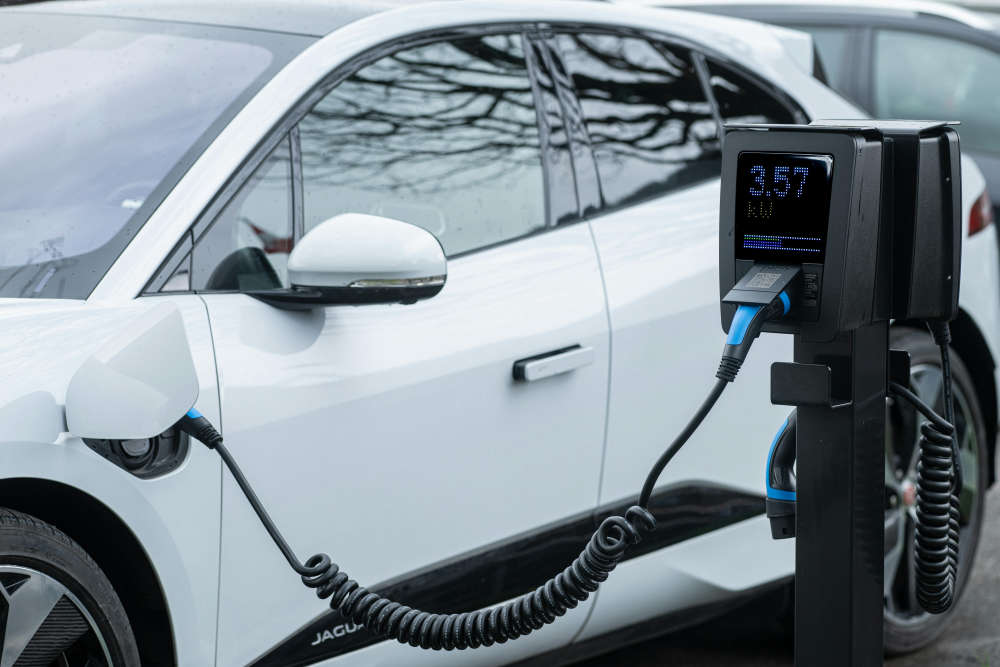
The expansion of charging infrastructure has been essential to the adoption of electric taxis in Jersey. Public charging points are now available in key locations, making it easier for drivers to top up vehicles between shifts or during quieter periods.
Taxi operators have also invested in private charging solutions, allowing vehicles to recharge overnight or during scheduled downtime. This approach supports reliable daily service and reduces the need for frequent public charging during peak hours.
As demand for electric vehicles increases, continued infrastructure development will remain a priority. Careful planning is required to ensure charging access keeps pace with vehicle adoption while respecting the island’s limited space.
Smart Charging and Fleet Management
For operators managing multiple vehicles, smart charging has become an important part of daily operations. Scheduling charging during off-peak periods helps manage energy use and ensures vehicles are ready for service when needed.
Fleet management systems support this process by monitoring battery levels and vehicle availability. These tools help operators allocate jobs efficiently and avoid delays linked to charging requirements. As technology improves, these systems are expected to become even more integrated into taxi operations.
Electric Taxis as Part of a Wider Transport Network
Electric taxis do not operate in isolation. They form part of a broader shift towards sustainable transport across Jersey, alongside changes in public transport and private vehicle use. This coordinated approach supports long-term environmental goals while maintaining accessibility across the island.
As more drivers choose an electric taxi, the transport network becomes quieter, cleaner, and more efficient. This helps reinforce Jersey’s reputation as a forward-thinking island that values sustainability without sacrificing practicality.
Driving the Future of Sustainable Travel in Jersey
The growing presence of electric taxis signals a clear direction for transport on the island. For drivers, operators, and decision-makers, now is the time to explore how electric taxis can fit into future plans. Whether reviewing fleet upgrades, assessing charging solutions, or responding to passenger demand, informed choices today can help shape a cleaner and more efficient transport system for Jersey tomorrow.